
FUSION develops and delivers modules that help students build the transferable skills they need to succeed in academic, professional, and personal settings. These modules are versatile and easy to integrate into existing courses and programs, requiring minimal time investment from instructors and staff. They are:
- Used in both curricular and co-curricular settings
- Suitable for small seminars and large lecture-style classes
- Flexible enough to support both undergraduate and graduate-level learners
The University of Calgary has developed a toolkit to help educators and staff embed the modules effectively into their teaching and programming.
Case Studies
Educators consistently share that FUSION modules allow them to focus on their subject expertise while supporting student skill development. The modules provide a structured way of teaching transferable skills such as collaboration, communication, and self-management, with minimal time investment while enhancing students’ overall learning experience.
University of Calgary
SOCI 375: Sociology of Ethnicity and Racialization

Skill Module: Inclusivity
Context: Large second-year undergraduate course
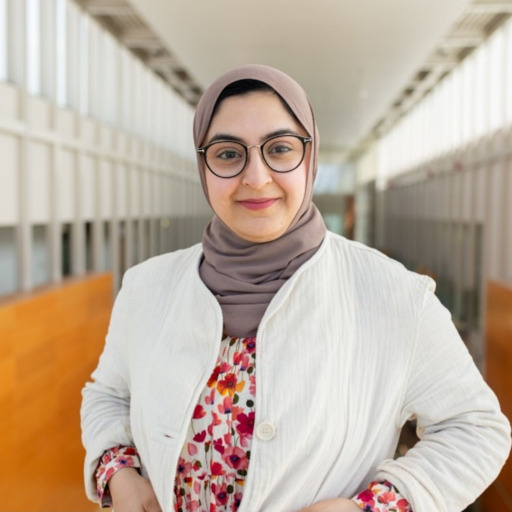
FUSION offers individualized reflection so students can see the connection between course material and their personal experiences. It is a powerful program, and I am glad to share so other instructors can see the benefit.
- Dr. Ayesha Mian Akram, PhD
University of Calgary
GEOG 280: Thinking Spatially in a Digital World

Skill Module: Digital Literacy
Context: Large first-year undergraduate research course
I think the constant input is changing our brains and how we learn, and we need to update our pedagogy to reflect that. FUSION provides hands-on learning helps make a meaningful learning environment.
- Dr. Victoria Fast, PhD

Carleton University
HIST 5315 (PECO 5501 | CDNS 5003) - Disability, Capacity and Debility in Canadian History

Skill Module: AI Literacy
Context: Small graduate-level course
I was interested by the fact that graduate students were often less familiar with generative AI, that diligent students were often more reluctant to use it, and that there should be ways to help all students go beyond the – now obsolete – idea that AI means plagiarism and should be avoided.
- Dr. Dominique Marshall, PhD

Concordia University
Humanities+

Skill Module: Metacognition, Self-management
Context: Co-curricular career-readiness and internship program
Many students struggle with the transition from university to career, and/or with early professional experiences themselves, such as internships. The FUSION modules provide an excellent opportunity for students to develop and increase their awareness of the transferable skills that will help them excel during this time and throughout their early career experiences.
- Claire Elissalde

Community Engaged Learning Program (Co-curricular EL)
Saskatoon Food Bank and Learning Centre
Skill Module: Students complete an initial self-assessment to determine which skill to focus on
Context: Community engaged learning program
While short-term, these projects have meaningful big impact - for both the student and the community partner. Students complete a FUSION skill module alongside their project deliverables, helping to expand their experience, skills, and networks.
- Dr. Tenneisha Nelson, PhD

Memorial University of Newfoundland
BIOL/OCSC 3711: Principles of Marine Biology

Skill Module: Adaptability
Context: Large third-year undergraduate course
[FUSION] is a really interesting way to add extra value to the course curriculum. To me, it was a matter of thinking, well, when I teach this, what are the things that I want students to get out of my course? What do I want them to keep with them as they move forward in their lives? And I thought, well, why not do something like this that maybe adds value or maybe adds something that they wouldn’t have otherwise gotten out of this course or out of their degrees?
- Dr. Suzanne Dufour, PhD